Delhi Initiates Cloud Seeding to Combat Severe Air Pollution
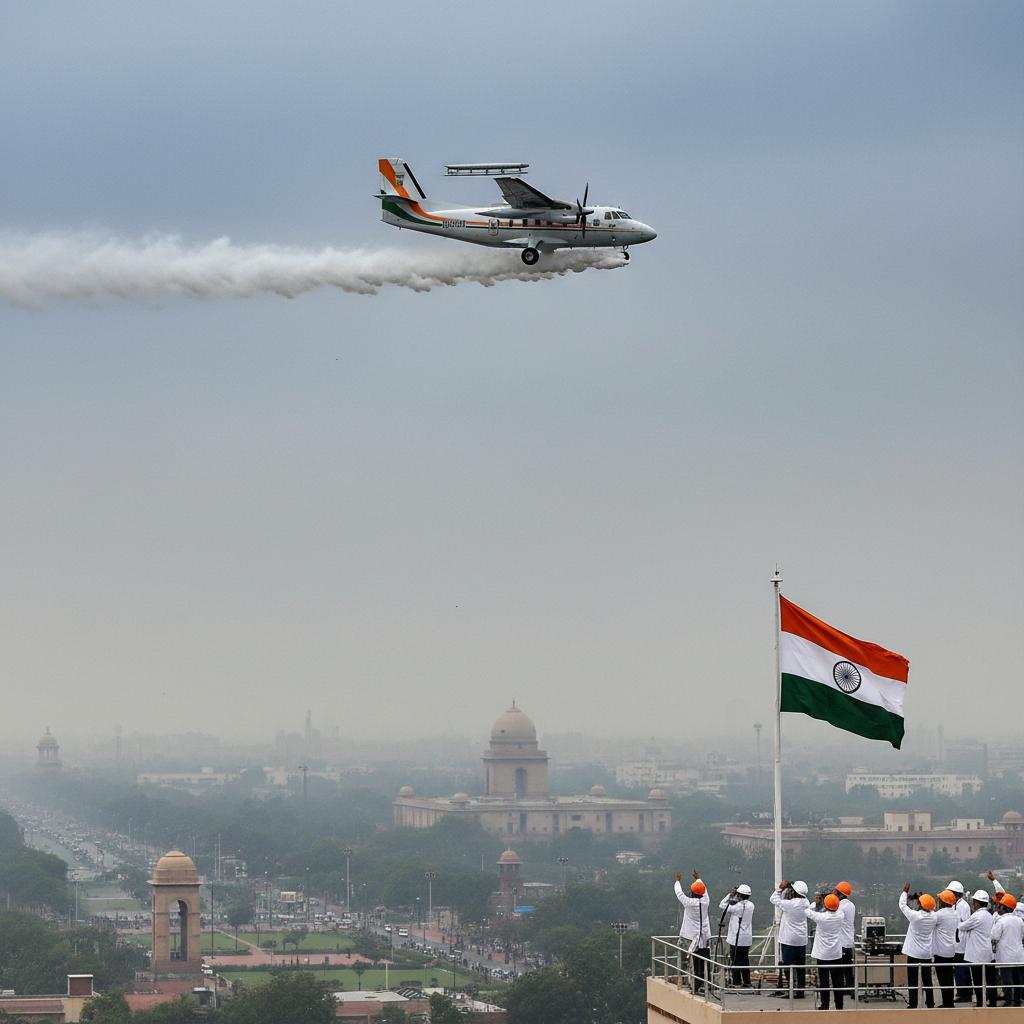
On October 28, 2025, Delhi authorities commenced cloud seeding operations to induce artificial rainfall, aiming to alleviate the city’s persistent air pollution. This marks the first instance of such a technique being employed in the Indian capital.
Cloud Seeding Operations Begin
The initiative, led by the Indian Institute of Technology (IIT) Kanpur, involved dispersing chemicals like silver iodide and sodium chloride into moisture-laden clouds over areas including Burari, Karol Bagh, Bhojpur, Mayur Vihar, and Sadakpur. The modified Cessna-206H aircraft released these substances to stimulate precipitation, with expectations of rainfall occurring within 15 minutes to four hours post-seeding.
Air Quality Concerns Prompt Action
Delhi, home to over 20 million residents, faces exacerbated air pollution during winter months due to factors such as construction dust, vehicle emissions, and smoke from crop burning in neighboring states. On the day of the operation, the city’s Air Quality Index (AQI) was recorded at 304, categorizing it as ‘very poor.’
Potential Impact and Future Plans
Environment Minister Manjinder Singh Sirsa stated that if successful, the cloud seeding trials could lead to a sustained program through February. Scientists suggest that artificial rain could reduce pollution levels by up to 50%, though they caution that pollution may quickly rebound if the underlying sources are not addressed. Therefore, repeated interventions may be necessary as long as pollutant sources remain unmitigated.
Challenges and Skepticism
While cloud seeding has been utilized in other countries to enhance rainfall and improve air quality, its effectiveness remains a subject of scientific debate. Previous studies have shown mixed results, and the technique’s success is highly dependent on specific weather conditions, including sufficient atmospheric moisture.
As Delhi embarks on this experimental approach, authorities and residents alike await tangible outcomes that could offer respite from the city’s chronic air pollution issues.