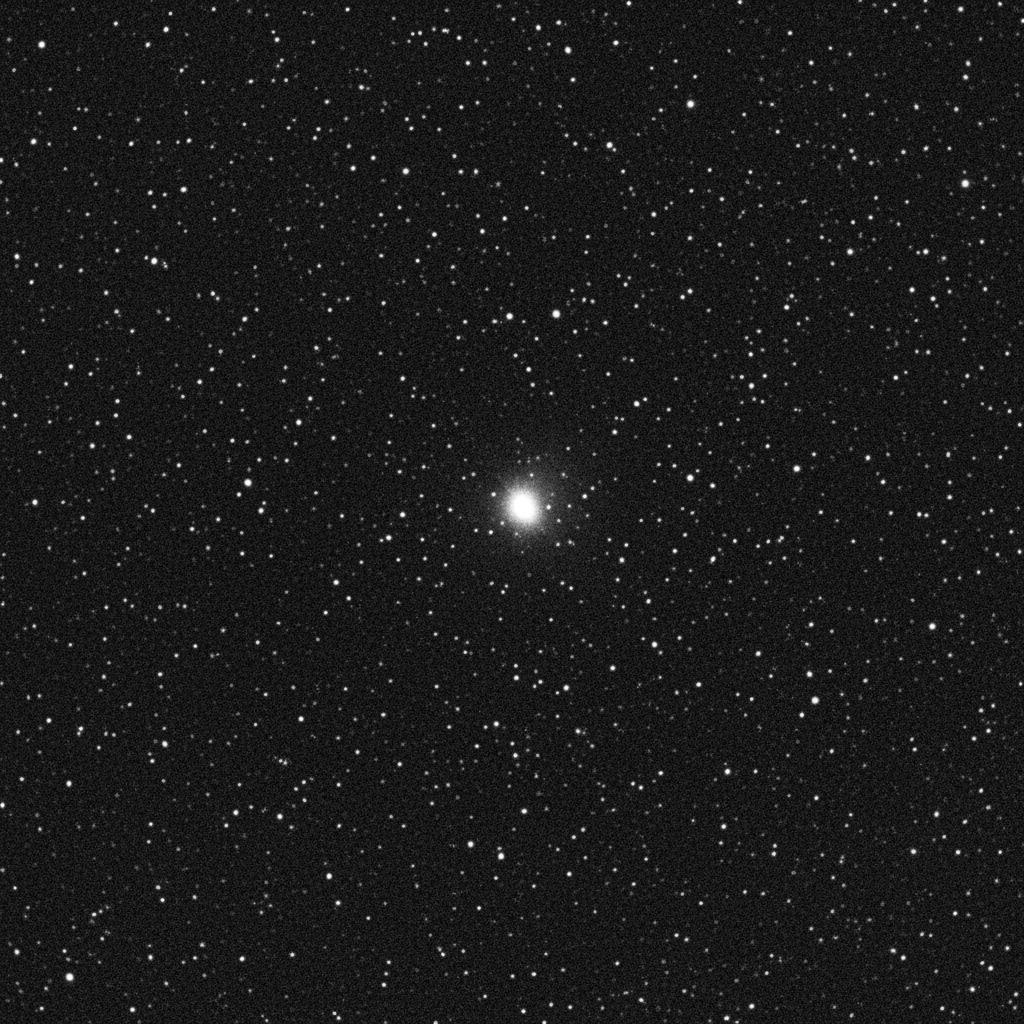
Interstellar Comet 3I/ATLAS Approaches Perihelion, Captivating Indian Astronomers
As of October 29, 2025, interstellar comet 3I/ATLAS is making its closest approach to the Sun, a phenomenon known as perihelion. This rare event has garnered significant attention from the Indian astronomical community, offering a unique opportunity to study an object originating from beyond our solar system.
Discovery and Characteristics
Comet 3I/ATLAS was first detected on July 1, 2025, by the Asteroid Terrestrial-impact Last Alert System (ATLAS) in Chile. It is the third confirmed interstellar object to traverse our solar system, following 1I/ʻOumuamua in 2017 and 2I/Borisov in 2019. The comet’s nucleus is estimated to be between 5 and 11 kilometers in diameter, making it the largest interstellar object observed to date. Traveling at approximately 130,000 mph (209,000 km/h), 3I/ATLAS exhibits a hyperbolic trajectory, confirming its origin from outside our solar system.
Observations and Scientific Significance
Indian astronomers have been actively observing 3I/ATLAS using ground-based telescopes. The comet’s approach provides a rare chance to study interstellar chemistry and the building blocks of early solar systems. Notably, the James Webb Space Telescope (JWST) detected a carbon dioxide-dominated gas coma surrounding the comet, with a CO₂/H₂O mixing ratio of 8.0 ± 1.0, one of the highest ever observed in a comet. This suggests that 3I/ATLAS may have formed in a region with higher radiation levels than typical solar system comets.
Upcoming Events and Public Interest
Following its perihelion, 3I/ATLAS is expected to make its closest approach to Earth on December 19, 2025, at a distance of approximately 269 million kilometers. Although it will not be visible to the naked eye, Indian observatories are preparing for extensive observations during this period. The comet’s unique characteristics and interstellar origin have sparked public interest, with educational institutions planning events to engage students and the general public in discussions about this cosmic visitor.
As 3I/ATLAS continues its journey through our solar system, it offers an unprecedented opportunity for the Indian scientific community to enhance our understanding of interstellar objects and the dynamic processes governing our cosmic neighborhood.